
High-Performance Endorsement
More airplane
than you've flown
A one-time endorsement, flown one-on-one with an FAA Certified Flight Instructor. Most pilots need five to ten hours. Almost all of that is the propeller.
The short version
230hp
What our airplane makes. Anything over 200 requires the endorsement.
5 to 10hrs
Typical. Time away from flying is what moves the number.
1endorsement
One time, one logbook entry, and it never expires. It makes you legal in any high-performance airplane, which isn't the same as ready for one.
0tests
No knowledge test, no checkride, no examiner. Your instructor signs when you're proficient.
14 CFR 61.31(f).
What you'll actually work on
The horsepower isn't the hard part
You already know how to fly. More power mostly means the airplane does what you asked it to do sooner, and that is a smaller adjustment than most pilots expect.
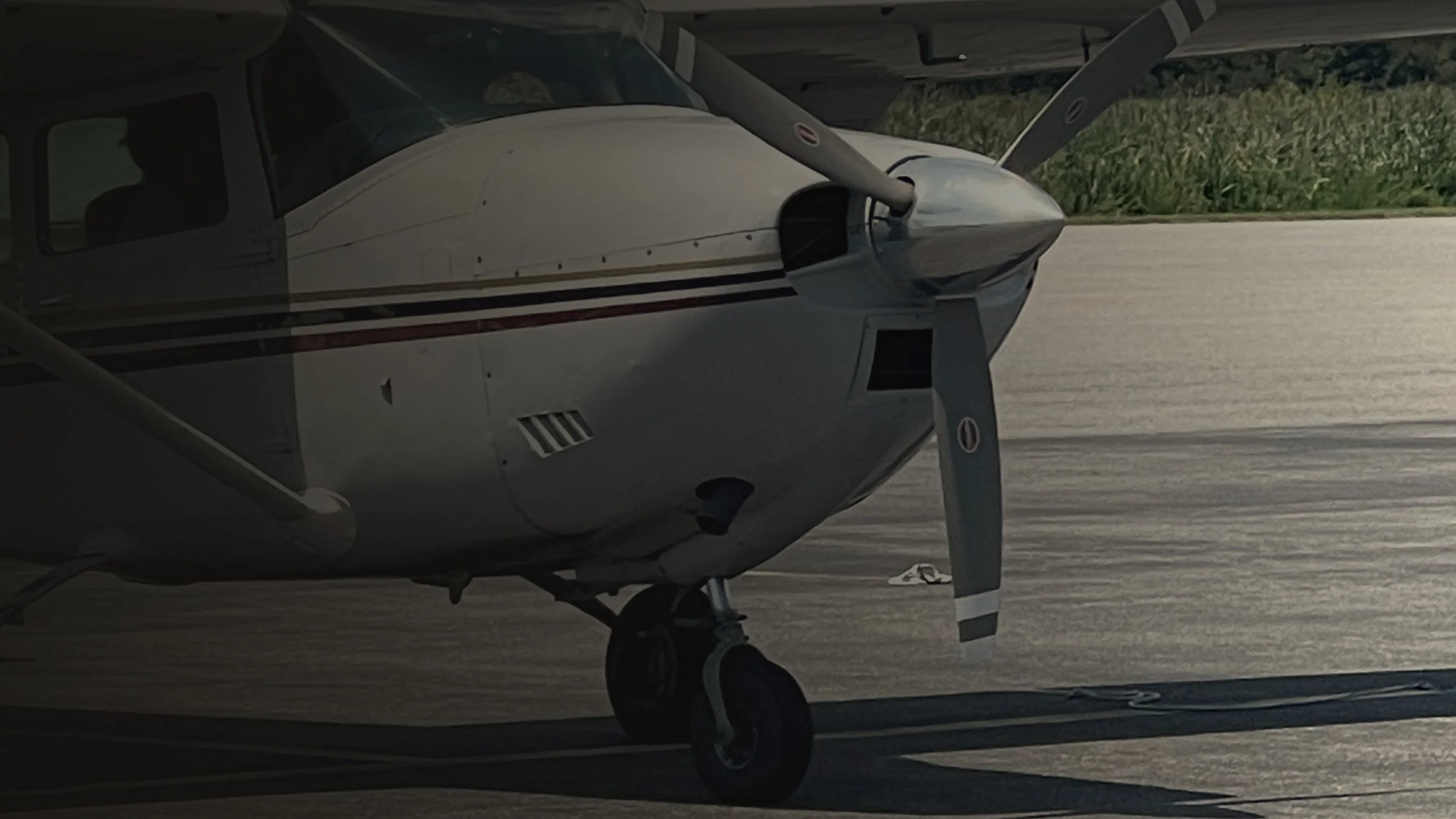
The propeller is what takes the hours.
A trainer gives you one power control. This airplane gives you two, managed together, in an order that changes depending on whether you're adding power or taking it away. You'll understand it in ten minutes on the ground and spend several flights making it automatic. That gap between understanding it and not having to think about it is the training.
Systems, and how they fail
Cowl flaps and a constant-speed propeller. Two controls a trainer doesn't give you. What each one does, what it looks like when it stops doing it, and what you do next.
Weight and balance that runs out
A trainer with two people and full fuel is almost always legal. This airplane has four seats and the tanks to match, and they can't all be filled at once. It will also fly perfectly well a little outside the envelope, and those margins exist for the engineers, not for you to spend. You'll run real numbers for real trips, not classroom examples.
Performance you plan, not assume
Takeoff and landing distances, climb, cruise settings, leaning. Faster airplanes reach the decision sooner, so the decision has to be made earlier.
Getting started
What we ask, and what you leave with
Before you start
What we ask for
A private pilot certificate and a current flight review. The FAA sets no certificate requirement for this endorsement, but we do. The endorsement assumes you already fly the airplane well.
Student pilots: this isn't the airplane to learn in, and we don't offer primary training. Get your certificate first and come back.
What you'll leave with
A logbook endorsement
One entry, signed and dated, citing 61.31(f). It never expires and it isn't specific to our airplane. You're legal in any high-performance aircraft you're checked out in.
Insurance is a separate conversation. Most underwriters want time in type on top of the endorsement, and that number belongs to them, not to us.
Who we train
Pilots who already hold a certificate
At minimum, a private pilot certificate with an airplane single-engine land rating, and a current flight review.
That's our requirement, not the FAA's. The regulation would allow it earlier. We don't, because there's a difference between learning to fly and learning to fly this, and doing both at once serves neither one well.
Already training with us toward a commercial certificate? This is built in. You can't act as pilot in command of our airplane without it, so it happens in your first few hours, at the same hourly rates as the rest of your training. There is no separate fee and no separate course to buy. You don't need this page.
Time and cost
There's no fixed program, so there's no fixed price
Briefings happen on flight days rather than in a separate ground block, and the number of flights depends entirely on what you're bringing to it. So instead of a package price, here are the two rates and an honest range.
$185/hr
The airplane, wet, fuel included. Billed on Hobbs, to the tenth of an hour. Hobbs starts when the engine does, so taxi and runup are in it.
$60/hr
Your instructor, on the clock, also to the tenth of an hour. A debrief that runs twenty minutes is three tenths, not a full hour.
Most pilots finish in five to ten flight hours. Current pilots land at the low end, and five is realistic if you've been flying regularly. Pilots who've been away from it take longer, and that's the honest reason for the spread. It's rust, not horsepower.
If you finish sooner than we estimated, you pay for what you flew. There's no minimum and nothing to buy up front.
Your rate is your rate. If our prices change, they change for pilots starting something new, never for someone already training.
Questions
What pilots ask before they call
-
An engine of more than 200 horsepower. That's the entire definition. It's often confused with complex, which is a different thing: retractable landing gear, flaps and a controllable-pitch propeller, all three together. Our airplane is high-performance. It is not complex. If you need a complex endorsement specifically, we're not the airplane for it, and we'll tell you that on the phone rather than after you've booked.
-
No. It's one time and it isn't tied to a make or model. Receive it here and you may act as pilot in command of any high-performance airplane. Worth knowing separately: your insurance company will probably want time in the specific airplane you plan to fly, sometimes with an instructor, sometimes more than you'd expect. That's their requirement, not the FAA's, and it's the call worth making before you buy anything.
-
No. You need it to act as pilot in command. You'll be receiving instruction, which is exactly how you get it.
-
We do teach in customers' airplanes, and this endorsement is the one case with a catch: without it, you can't legally fly a high-performance airplane here in the first place. Three ways around that. Someone else flies it in, which is what usually happens right after a purchase, whether that's the seller, a friend, or a ferry pilot. You already hold the endorsement and want the checkout hours your insurance is asking for. Or your instructor comes to you, and you fly from your own hangar. Call us and we'll work out which one fits.
-
No knowledge test and no practical test. The standard is the one you already know: when you can fly this airplane to the ACS standards for the certificate you hold, without any input from your instructor, you get the endorsement. That standard doesn't move to fit a schedule, which is the point of it.
Endorsement requirements are set by 14 CFR 61.31(f). Nothing here replaces the regulation or your own reading of it.
Start with a conversation
Tell us what you've been flying and how recently. Ten minutes gets you a realistic number of hours instead of a range, including if the honest answer is that you should knock some rust off first.